

Cooperative mystery gaming is defined as a genre where all players work together against the game itself, sharing a single win or loss outcome. Unlike competitive formats, no one player defeats another. Instead, the group pools clues, solves puzzles, and builds a shared narrative toward one collective verdict. This genre sits at the intersection of tabletop gaming, escape room design, and interactive storytelling. Whether you are planning a date night, a team event, or a family game night, understanding cooperative mystery games gives you a serious edge before you sit down to play.
What is cooperative mystery gaming and how does it work?
Cooperative mystery gaming is built on what game designers call the "us versus the game" mechanic. Every player at the table, or screen, is on the same side. All players collaborate and share a win or loss, which fundamentally changes how people engage with each other. There is no incentive to hide information from your teammates. Sharing is the only path to victory.
A standard session in a tabletop mystery game typically lasts 1–2 hours. That timeframe is long enough to build tension and short enough to fit into an evening. The pacing keeps players focused without burning them out.
The core loop of cooperative mystery gaming follows a recognizable pattern:
- Receive clues. Players are dealt physical cards, digital files, or props that contain partial information about the mystery.
- Share and analyze. The group discusses what each clue means. No single player has the full picture.
- Form theories. Teams propose suspects, motives, and timelines based on the evidence gathered.
- Solve or fail together. The group submits a final answer. Everyone wins or everyone loses.
Asymmetric mechanics are a defining design feature in many of the best cooperative mystery games. Each player may hold unique information or operate in a different role, which forces real communication. One player might control the timeline of events while another holds witness statements. Neither can solve the mystery alone. This design creates natural conversation and genuine interdependence.
Pro Tip: Assign roles before the game starts. Designate one player as the note-taker, one as the timeline tracker, and one as the devil's advocate who challenges every theory. Structure prevents groupthink and keeps the investigation sharp.
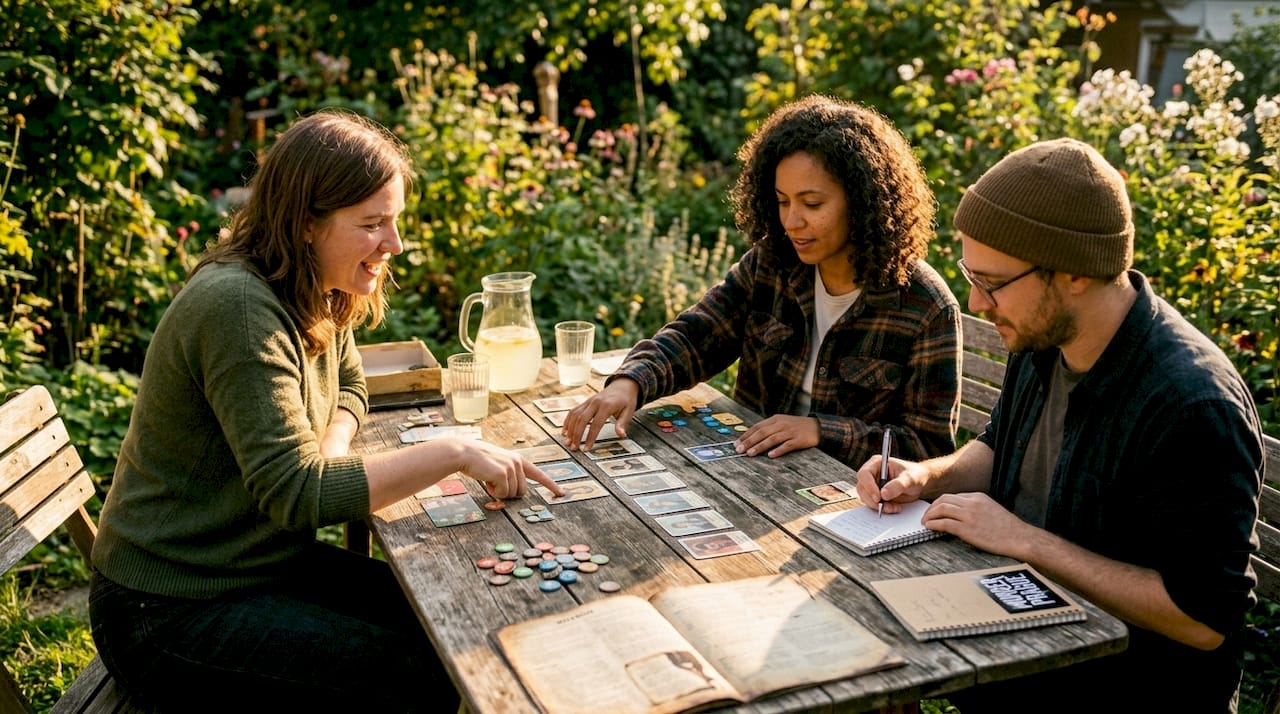
Large-format cooperative mystery games handle group size with breakout mechanics. Multiple teams solve the same mystery in parallel, then share findings after a set deadline. This keeps every participant active simultaneously and eliminates the turn-delay problem that plagues many group games.
What makes cooperative mystery gaming unique?
Cooperative mystery gaming removes individual victors entirely. This removal shifts player focus from personal gain to mutual problem solving and resource sharing. That shift sounds simple, but it changes the entire emotional texture of the experience.
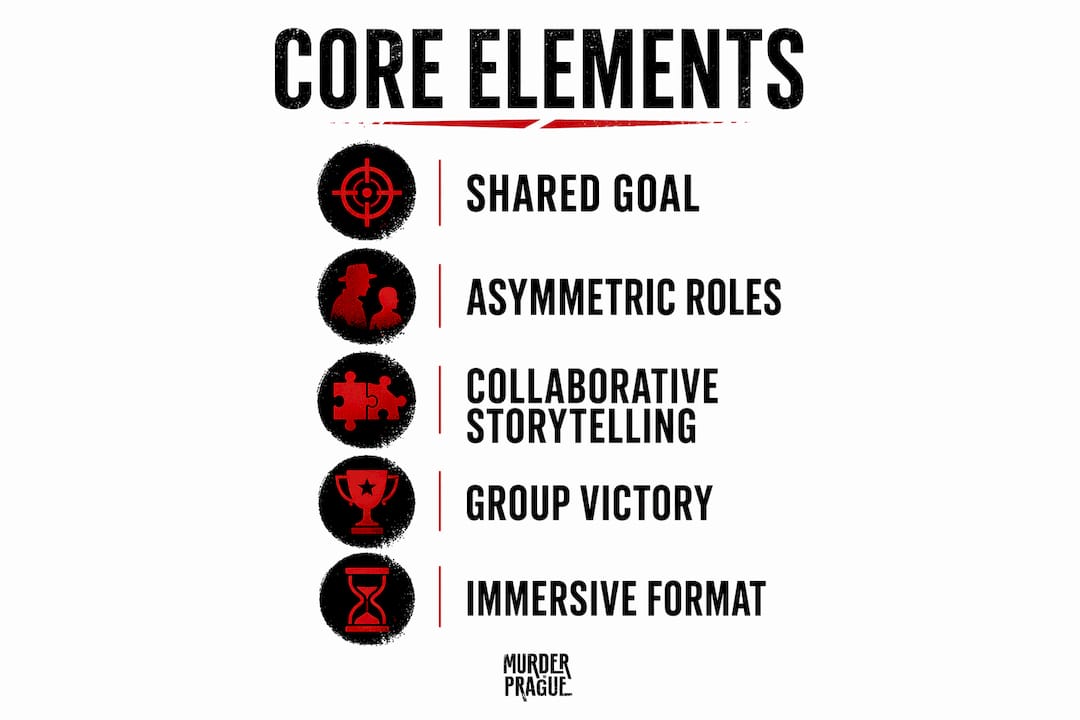
Competitive games reward secrecy. Solo games reward personal skill. Cooperative mystery games reward communication, trust, and collective reasoning. The social dynamic is fundamentally different.
Several features set this genre apart from other gaming categories:
- Shared narrative ownership. Every player contributes to the story's resolution. The ending feels earned by the group, not handed to one winner.
- Psychological safety. Because no one loses individually, players take more creative risks with their theories. Wild guesses become part of the fun rather than embarrassing mistakes.
- Asymmetric roles. Asymmetric player roles compel communication and coordination, greatly enhancing the social and narrative depth of mystery games.
- Scalable complexity. Mystery games can be designed for casual players or seasoned puzzle solvers without changing the core cooperative structure.
- Replayability through story. Each mystery is a self-contained narrative. Finishing one does not diminish the next.
"The best cooperative mystery games make you feel like a real detective team. The story pulls you in, the clues feel authentic, and the moment your group cracks the case together is genuinely electric."
The storytelling dimension is what separates cooperative mystery gaming from cooperative puzzle games. A puzzle game asks you to solve a mechanical problem. A mystery game asks you to reconstruct a human story from fragments. That narrative layer creates emotional investment that lingers well after the session ends.
What formats do cooperative mystery games come in?
The genre spans physical, digital, and hybrid formats. Each format shapes the gameplay experience in distinct ways.

Tabletop boxed games are the most accessible entry point. Formats range from escape-room style boxed games to digital interactive platforms for 1–4 players. These games require no setup beyond opening the box and reading a short rulebook.
Virtual cooperative mystery games represent the fastest-growing format. Remote teams collaborate on identifying culprits through shared clues and discussion on platforms like Zoom or Microsoft Teams. These games maintain natural conversation and genuine engagement, making them effective for distributed groups who cannot meet in person.
Corporate and large-group formats push the scale further. Groups of up to 500+ participants can engage using breakout room structures, where small teams of 4–6 players each tackle the same mystery simultaneously. The competitive element between teams adds energy without undermining the cooperative spirit within each team.
Hybrid physical and app-based formats represent the most cinematic experience available. Murder in Prague combines physical evidence, authentic props, and a digital app to create an investigation that feels like stepping into a film. The physical materials ground the experience in tactile reality while the app delivers video content and verifies answers in real time.
How do you get started with cooperative mystery games?
Getting started with team-based mystery games is straightforward. The biggest decisions are group size, experience level, and format preference.
- Match the game to your group. A two-player mystery works differently than a six-player investigation. Check the recommended player count before buying or booking.
- Choose your format. First-timers often do best with a boxed tabletop mystery or a hybrid kit. Both formats provide clear instructions and self-contained materials.
- Assign roles before you start. Designate a note-taker, a clue organizer, and a timekeeper. Structure prevents the group from talking in circles.
- Communicate constantly. The most common reason groups fail a cooperative mystery is hoarding information. Read every clue aloud. Share every theory, even the half-formed ones.
- Embrace being wrong. Dead ends are part of the design. A wrong theory still narrows the field of suspects and moves the investigation forward.
- Use mystery gaming as a social tool. Corporate teams use cooperative mystery games for team-building because the format requires the same skills as effective collaboration: listening, synthesizing information, and committing to a shared decision.
Pro Tip: Play your first mystery game with a group that communicates well. The mechanics are easy to learn, but the social dynamic takes one session to calibrate. Your second game will always feel sharper than your first.
Murder in Prague is designed specifically for players with no prior gaming experience. The detective game kit includes physical evidence, cinematic video chapters, and a companion app that guides the investigation without spoiling the story. You do not need to know any rules before you open the box.
